
The First-Time Buyer’s Guide to Starter Homes in Apple Valley
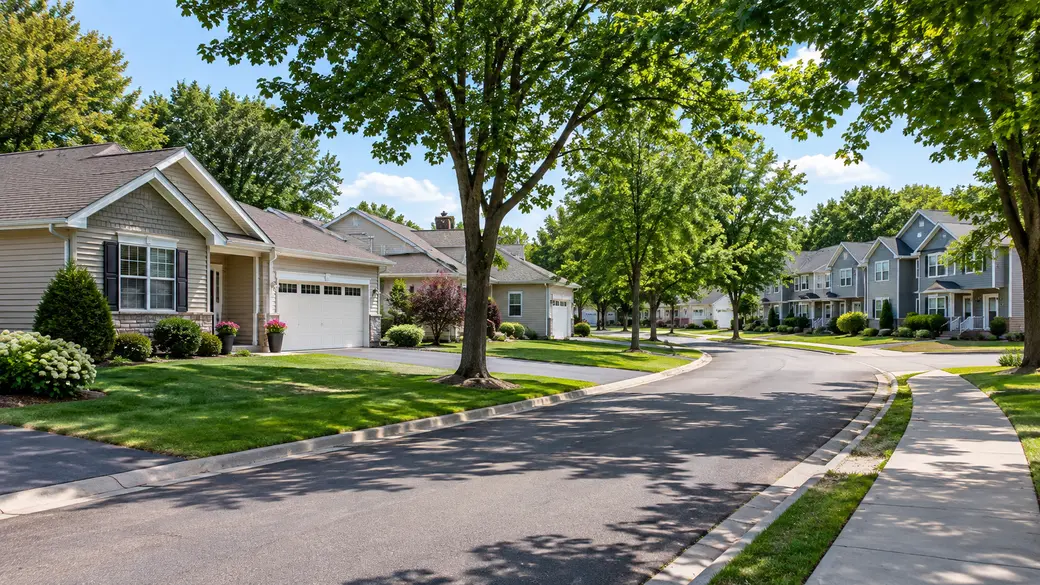
Buying your first starter home in Apple Valley is most manageable when the monthly payment, property condition, and expected length of ownership fit together. This guide walks first-time buyers through how to evaluate local options, compare ownership costs, and make decisions that support both current needs and future flexibility in Apple Valley, a city in Dakota County.
Apple Valley Starter Home Market Overview
- Price context: The median sale price in Apple Valley was about $385,000 for the three months ending September 2026, up 1.9% from a year earlier. Treat it as a benchmark for the broader market rather than a fixed starter-home price, since townhomes often sell below it and single-family homes often sell above it.
- Property choices: Entry buyers can compare townhomes, condos, and older single-family homes, with meaningful differences in maintenance duties, space, and association costs.
- Competition: Apple Valley homes sold in a median of 31 days and for about 100.3% of list price on a median basis over the same three-month period. Well-maintained homes with practical layouts often receive the strongest attention from buyers who are ready to move quickly.
- Inventory: Supply across the Twin Cities region reached 3.2 months in September 2026, up from a year earlier. A wider search across property types can create more options than limiting the search to one type of home.
What the Apple Valley First-Time Buyer Market Looks Like Right Now
Apple Valley starter homes can work well for buyers who compare the full cost of ownership rather than focusing only on the list price. Townhomes and condos may offer a lower-maintenance path into ownership, while older single-family homes can provide private outdoor space, storage, and room to adapt as needs change.
Availability and competition can differ sharply by condition, layout, location, and financing readiness. Homes with updated kitchens, usable bedroom counts, convenient parking, and few immediate repair needs often attract stronger interest than properties requiring substantial work. Buyers can improve their position by setting a clear monthly limit, preparing financing early, and staying flexible about cosmetic updates.
Apple Valley's housing stock spans several decades, with many neighborhoods built between the 1970s and the 1990s. That makes condition, maintenance history, and the quality of prior updates important factors when comparing Apple Valley homes for sale.
Is Apple Valley Accessible for First-Time Home Buyers Today?
- Townhomes, condos, and established single-family homes create several possible entry points for first-time buyers.
- Townhome communities may reduce exterior upkeep responsibilities, though monthly HOA dues should be included in the budget.
- Competition is often strongest for clean, move-in-ready homes with functional layouts and realistic pricing.
- A buyer starting a search today should compare property types, protect a comfortable monthly budget, and separate essential needs from updates that can be completed later.
Step 1: Smart Financial Planning for First-Time Buyers
A realistic budget for starter homes in Apple Valley starts with a monthly payment that feels sustainable, not simply the maximum amount a lender may approve. Consider income, recurring debt, savings, moving costs, utilities, transportation, childcare, retirement contributions, and a reserve for repairs after closing. A home should support your daily life without forcing every other financial priority into the background.
Down payment choices can shape both your upfront cash requirement and your future monthly payment. FHA financing may allow qualified buyers to purchase with as little as 3.5% down. Conventional financing can be available with lower down payment options, although many buyers choose 10% to 20% when their savings and long-term plan support it. The right choice depends on loan terms, mortgage insurance, interest rate, reserves, and how much cash you want to retain after closing.
Include property taxes, homeowners insurance, utilities, and HOA dues in every comparison. HOA fees vary by community and may cover snow removal, exterior maintenance, landscaping, shared insurance, or amenities. Ask for the association budget, rules, reserve information, and recent fee history before choosing a townhome or condo.
Minnesota Housing programs may offer eligible buyers assistance with down payments or closing costs. Eligibility requirements can depend on income, household size, purchase price, occupancy, and lender participation. Testing several purchase prices and down payment scenarios with a home payment calculator can help before you narrow your search.
Financing That Fits Your Faith and Values
Some first-time and first-generation buyers prefer not to use interest-based loans for religious reasons. Islamic (halal) home financing uses alternative structures, such as cost-plus sale, lease-to-own, or diminishing partnership arrangements, to help buyers purchase without conventional interest. These programs have their own approval steps and timelines, so it helps to explore them before you start touring. You can read more about how halal home financing works in Minnesota.
Estimated Monthly Cost for Starter Homes in Apple Valley
Monthly ownership costs vary by purchase price, interest rate, down payment, property taxes, insurance, mortgage insurance, and HOA dues. The examples below use the 30-year fixed rate of 7.18% from Freddie Mac's Primary Mortgage Market Survey as of November 5, 2026, and show principal and interest only.
| Purchase price | Down payment | Loan amount | Estimated principal and interest |
|---|---|---|---|
| $400,000 | 10% ($40,000) | $360,000 | About $2,439 per month |
| $500,000 | 20% ($100,000) | $400,000 | About $2,710 per month |
Property taxes, homeowners insurance, any mortgage insurance, and HOA dues come on top of these figures. A townhome with a lower purchase price may still carry a significant monthly HOA obligation. A single-family home may have no HOA fee but can require more budgeting for exterior maintenance, utilities, and future repairs. Compare several lender-prepared payment estimates rather than relying on the list price alone.
Step 2: Securing Pre-Approval and Exploring First-Time Buyer Programs
Pre-approval is essential because it connects your home search to a lender-reviewed borrowing range and helps sellers see that your financing is organized. Lenders commonly review income, employment history, credit, assets, monthly debt, and the source of down payment funds. Keep pay stubs, bank statements, tax documents, identification, and explanations for major deposits ready so your file can be updated efficiently.
Conventional, FHA, and VA loans serve different buyer situations. Conventional financing may suit buyers with stronger credit profiles or larger down payments. FHA financing can offer flexibility for qualified buyers with limited upfront cash. Eligible veterans, service members, and surviving spouses may qualify for VA financing under different lending standards.
A pre-approval letter also gives you a clearer negotiating position. It helps you focus on homes that align with both the lender's approval range and your personal comfort range. Before making offers, ask a lender to model multiple payment scenarios and review the documents needed for a strong offer package. A step-by-step guide for homebuyers can help organize the early stages of that preparation.
Step 3: Neighborhoods and Communities for Starter Homes in Apple Valley
Apple Valley offers several housing settings that can suit a first-time buyer, depending on the balance of maintenance, space, commute preferences, and budget. Established areas with homes from the 1970s through the 1990s often include single-family properties with mature trees, practical floor plans, and private yards. These homes can appeal to buyers who want more independence and are prepared for ongoing maintenance.
Townhome communities are common throughout Apple Valley and can be a practical fit for buyers who prefer shared exterior maintenance. They may appeal to young professionals, remote workers, and households that value predictable upkeep responsibilities. Review parking rules, guest parking, pet policies, rental restrictions, reserve funding, and the specific services included in HOA dues.
Buyers who value everyday convenience may prioritize locations near major routes, shopping, parks, and community services. Those seeking more space may focus on established residential sections where lot size, storage, and bedroom count are stronger priorities. Because home ages vary widely, compare maintenance history and updates carefully across each community type. You can get a broader feel for the city through this Apple Valley community overview.
Step 4: Evaluating Starter Properties for Long-Term Value
- Prioritize structural condition and major systems over paint colors, fixtures, flooring, and other cosmetic details that can be updated later.
- Review the roof, heating and cooling equipment, plumbing, electrical components, drainage, windows, and visible signs of moisture.
- Consider whether the layout supports work-from-home needs, storage, guests, pets, and possible household changes over the next several years.
- Look for resale features such as parking, natural light, usable bedrooms, functional living space, outdoor area, and a location that supports daily routines.
- Compare each property with similar active homes in the same category before deciding whether the asking price reflects its condition and features.
Step 5: Crafting a Winning Offer on Your First Home
A competitive offer is one that fits the property, reflects the seller's priorities, and remains within your financial comfort level. Purchase price matters, but earnest money, financing terms, seller concessions, contingencies, and closing timing can also influence how an offer is received.
Earnest money demonstrates commitment and is handled according to the purchase agreement. A clear pre-approval letter can show that a lender has reviewed your financial information. Before submitting an offer, decide how much cash you can use for closing costs, whether seller concessions are needed, and how much flexibility you have around possession timing.
Appraisal and inspection contingencies can provide meaningful protections, but their terms should be reviewed carefully before an offer is submitted. A strong offer does not require taking every possible risk. It means presenting clear, well-supported terms that fit your budget and priorities.
The most common mistake buyers make is increasing their offer beyond a comfortable monthly payment just to compete. Avoid that pressure by setting a firm limit before negotiations begin and checking every proposed term against your overall budget.
Step 6: Home Inspections, Appraisal, and Closing Day in Apple Valley
Closing is the final process of confirming that the property, loan, title, and purchase agreement are ready for ownership to transfer. A general inspection can identify visible maintenance concerns, while specialized evaluations may be appropriate for a sewer line, roof, foundation, or major mechanical system. Minnesota sellers must also disclose what they know about radon in the home, and the Minnesota Department of Health recommends that all buyers have an indoor radon test before purchase.
An appraisal supports the lender's review of the property value. If the appraised value differs from the contract price, the buyer and seller may need to revisit the agreement based on the financing structure and contract terms. Title work reviews ownership records, liens, and other matters that should be resolved before closing.
Closing costs vary based on the loan program, purchase price, title services, prepaid taxes and insurance, Minnesota's mortgage registry tax on financed purchases, and negotiated terms. Review the loan estimate and closing disclosure carefully, then ask questions about any line item that is unclear before signing.
Starter Townhomes vs. Single-Family Starter Homes in Apple Valley
| Consideration | Starter Townhome | Single-Family Starter Home |
|---|---|---|
| Typical price point | Often offers a more compact ownership option | May offer more interior space or land |
| Exterior maintenance responsibility | Often shared through an HOA | Usually handled by the owner |
| HOA fee expectations | Common, with coverage varying by community | Less common, depending on location |
| Private yard space | Often limited or shared | Often more private and flexible |
| Resale demand | Can appeal to buyers seeking convenience | Can appeal to buyers seeking space and control |
| Financing considerations | HOA documents and project eligibility may be reviewed | Property condition and maintenance costs remain important |
| Appreciation potential | Depends on location, condition, association health, and demand | Depends on location, condition, lot, and demand |
The right choice depends on how you want to spend your time and money after closing. Townhomes can simplify exterior upkeep, while single-family homes can provide more autonomy and private space. Evaluate starter homes in Apple Valley based on your monthly budget, property needs, and expected timeline.
If a newer townhome or a builder's single-family home is on your list, keep in mind that the model-home sales team represents the builder. Having your own representation for new construction purchases means someone reviews the builder contract, helps you weigh which upgrades are worth paying for, and arranges independent inspections during construction.
What First-Time Buyers Gain from Working with Siham
Your first purchase comes with a lot of new terms, deadlines, and decisions. Here is how the right guide makes it easier:
- Deep local knowledge: Siham is active in more than 16 Twin Cities communities, so you get honest, on-the-ground insight into how Apple Valley townhome communities and single-family neighborhoods compare.
- Bilingual service: Fluent in Somali and English, Siham is committed to bridging the homeownership gap for first-time and first-generation buyers, explaining each step with clarity and cultural understanding.
- Genuine client advocacy: with a background in social services, Siham prioritizes honesty and transparency, including telling you when a home or a payment does not fit your goals.
- Guidance on halal financing: Muslim families can get help exploring Islamic (halal) home financing options and referrals to halal financing providers.
- Responsive, personalized service: from your first budget conversation through closing day, you get attentive, individualized support at every stage.
Ready to Start Your Starter Home Search?
Siham Mahamood, a licensed Minnesota REALTOR® and CEO/Team Lead with Keller Williams Premier Realty, guides first-time buyers through the Apple Valley starter home market, from setting a clear budget to negotiating the purchase. Call or text (507) 213-6840, email siham@soldbysiham.com, or reach out here to start your search.
Frequently Asked Questions: Buying a Starter Home in Apple Valley
What is the average price of a starter home in Apple Valley?
Starter-home prices vary by property type, condition, size, location, and HOA costs. The median sale price across all Apple Valley home types was about $385,000 for the three months ending September 2026, and individual starter homes may fall above or below that benchmark.
How much down payment do first-time buyers need for a home in Apple Valley?
Qualified FHA borrowers may be able to purchase with a 3.5% down payment. Conventional buyers may choose a range of down payment amounts, including 10% to 20% when their savings and loan terms make that approach suitable.
Are there first-time homebuyer assistance programs available in Apple Valley?
Eligible buyers may be able to use Minnesota Housing programs for down-payment or closing-cost assistance. Requirements can depend on income, household size, purchase price, loan type, lender participation, and owner-occupancy rules.
Can I buy my first home in Apple Valley without a conventional interest-based mortgage?
Yes. Islamic (halal) home financing programs are available to Minnesota buyers and use structures that avoid conventional interest. Start the conversation early, since documentation and approval timelines can differ from a standard mortgage.
Should first-time buyers in Apple Valley buy a townhome or a single-family house?
A townhome can suit buyers who prefer shared exterior maintenance and can comfortably include HOA dues in their budget. A single-family home may better fit buyers who value private outdoor space, greater maintenance control, and room to adapt over time.
How long should I plan to stay in a starter home before upgrading?
Many buyers benefit from staying long enough to build savings and absorb the costs of buying and eventually selling. Your best timeline depends on finances, household plans, commuting needs, and whether the home continues to support your lifestyle.
GET MORE INFORMATION