Moving to a new suburb can feel exciting and overwhelming at the same time. You want a home that fits your budget, a commute you can live with, and easy access to the places you use every week. If Apple Valley is on your list, this guide will help you understand how housing, transportation, and daily convenience come together so you can move with more confidence. Let’s dive in.
Why Apple Valley Appeals to Relocating Buyers
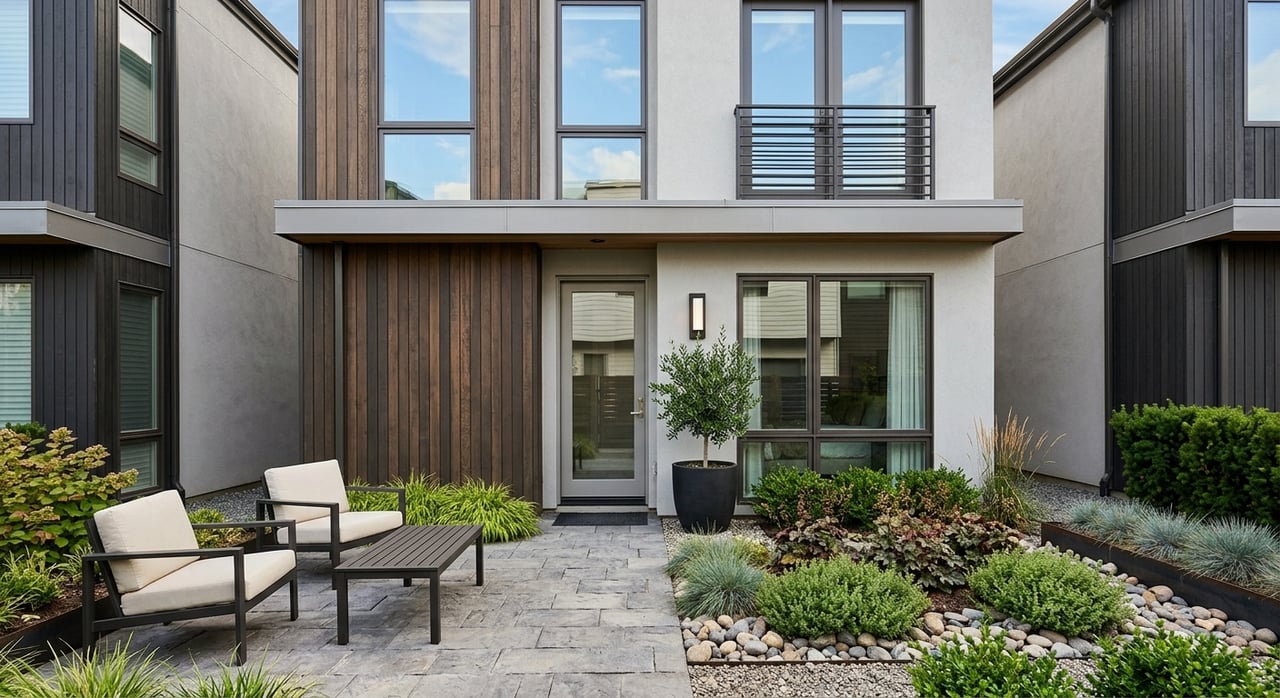
Apple Valley offers a mix that many relocating buyers want: established suburban housing, practical commuting options, and a real central area for shopping and services. The city remains primarily a single-family detached home market, but it also has townhomes, twin homes, and apartments, especially near downtown and the Apple Valley Transit Station.
That matters because your move does not have to follow just one path. If you want more space and a traditional suburban setup, you will likely focus on detached homes. If you want lower-maintenance living and easier transit access, housing closer to the city core may be a better fit.
Recent pricing helps set expectations. Reported home values and sale prices in Apple Valley have clustered around the mid-$300,000s to high-$300,000s, with sources showing figures such as a $375,000 median sale price, a $378,933 average home value, and a $370,400 median owner-occupied value.
Apple Valley Housing Options
Single-family homes dominate
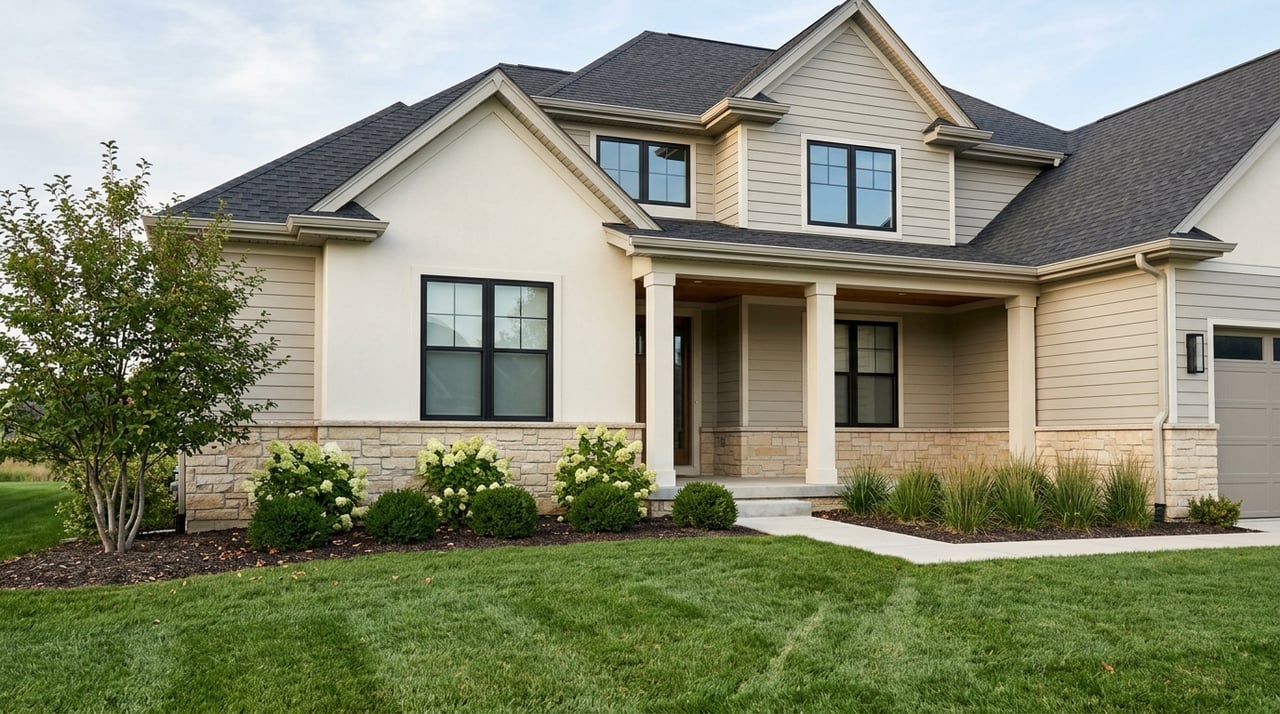
Apple Valley is still best known for detached homes. The city’s housing plan identifies single-family detached housing as the predominant type, which makes the area a strong match if you are looking for more indoor space, yard space, or a more classic suburban layout.
For many buyers relocating from a denser area, this can be one of Apple Valley’s biggest draws. You may find that the housing stock better supports long-term needs, whether that means extra bedrooms, a home office, or more flexible living space.
Townhomes and apartments add flexibility
Apple Valley is not only about larger detached homes. The city also has meaningful townhome, twin-home, and apartment inventory, and recent development has shifted more toward multifamily housing than in earlier years.
That gives you more ways to enter the market or simplify your lifestyle. If you want less exterior upkeep or prefer to be closer to the downtown and transit areas, these options can be worth a closer look.
Housing choice depends on location
In Apple Valley, your housing decision often connects directly to where you want to be day to day. The downtown and transit area tends to support lower-maintenance living and easier access to services, while outer areas often align better with buyers seeking a more traditional suburban home setup.
This corridor-based approach can make your search more efficient. Instead of trying to tour everything, you can narrow your options based on how you want to live as much as what type of home you want to buy.
What the Commute Looks Like
Apple Valley is commuter-oriented
If you are moving to Apple Valley for work access, it helps to know that the city is commuter-oriented by design. The city’s comprehensive plan says only 11% of residents are employed in the city, and Census data puts the mean travel time to work at 24.6 minutes.
That tells you many residents regularly travel outside Apple Valley for work. It also means your own commute planning should be part of your home search from the beginning, not something you figure out after you go under contract.
Key roads shape daily travel
Two corridors matter most in many Apple Valley commutes: Highway 77, also known as Cedar Avenue, and County Road 42. Dakota County describes County Highway 42 as an east-west principal arterial that connects to the regional freeway system and serves home, work, school, shopping, and other destinations.
In practical terms, these roads do a lot of the heavy lifting. If you are comparing homes, your travel experience can change meaningfully depending on how close you are to these main routes and which direction you need to travel most often.
Construction can affect timing
Commute times are not static. Dakota County has 2026 County Road 42 improvement and resurfacing projects in Apple Valley, so travel timing may change during construction periods.
That is why it helps to test your route at the times you would actually be on the road. A home that looks perfect on a map may feel different once you experience the morning or evening traffic pattern.
Transit in Apple Valley
Apple Valley Transit Station is the main hub
For buyers who want another commuting option, Apple Valley has a clear transit anchor. Apple Valley Transit Station, located at 15450 Cedar Avenue South, is the city’s key transit node.
Metro Transit lists the METRO Red Line there along with connecting routes 420, 440, 442, 475, 477, and 480. Those routes connect riders toward downtown Minneapolis, downtown St. Paul, the University of Minnesota, Burnsville Center, the Minnesota Zoo, and the VA Medical Center.
Transit-accessible living can simplify relocation
If you want to reduce driving or keep more than one commuting option available, homes near the transit station may deserve special attention. This is especially true if you are relocating from outside the Twin Cities and want flexibility while you learn your new routines.
For some buyers, transit access is not just about work. It can also help with appointments, errands, and getting around the south metro with less dependence on one daily driving pattern.
Daily Life and Convenience
A real central district matters
One of Apple Valley’s practical advantages is that it has a centralized business district with shopping, dining, entertainment, and professional services. The city identifies downtown as centered around Cedar Avenue and County Road 42, with a vision for it to remain a mixed place to shop, work, live, and spend time.
That kind of layout can make relocation easier. Instead of feeling like services are scattered randomly, you have a recognizable core where many daily needs are concentrated.
Errands are spread across the core
The city’s downtown map shows a dense mix of retail and services in that central area, including Apple Valley Square, Galaxie Commons, Whitney Pine, banks, restaurants, and multiple medical offices. That supports the idea that everyday tasks can often be grouped into one part of town rather than spread across a single long commercial strip.
For you, that can mean simpler weekends and fewer extra driving miles. When you are settling into a new community, that convenience can make a bigger difference than you expect.
Healthcare Access in Apple Valley
Healthcare access is another strength for relocating households. In town, HealthPartners Clinic Apple Valley offers primary care, urgent care, imaging, an on-site lab, and other specialties.
Apple Valley also has Allina Health Apple Valley Clinic with primary care and urgent care, plus M Health Fairview Clinic - Apple Valley for primary care. For hospital-level care, M Health Fairview Ridges Hospital in Burnsville serves southern Twin Cities communities.
If you are moving with an established care routine, this range of nearby options can be a major plus. It can also help reduce stress during the first few months after a move, when having familiar services close at hand matters most.
A Smart Way to Search From Out of Area
Start with a staged process
If you are relocating from another city or state, a staged search process can help you stay focused. Apple Valley’s housing pattern, central district, and commuting corridors make it easier to organize your search in steps instead of trying to do everything at once.
A practical approach often looks like this:
- Start with virtual first-pass tours
- Narrow homes by corridor or area
- Group in-person showings efficiently
- Test commute routes at realistic times
- Compare housing style with daily convenience
This kind of process saves time and reduces decision fatigue. It also helps you compare homes in a way that reflects how you will actually live.
Think beyond the house itself
When you relocate, the home is only part of the decision. You also want to know how quickly you can reach work, errands, appointments, and the services you use most.
In Apple Valley, that often means weighing a larger detached home against a lower-maintenance home closer to downtown or transit. Neither path is automatically better. The right choice depends on your schedule, budget, and what kind of day-to-day routine you want after the move.
How to Decide if Apple Valley Fits You
Apple Valley can be a strong fit if you want a south metro suburb with a broad housing mix, access to a transit hub, and practical convenience for everyday life. It works well for buyers who want options, not just one type of suburban experience.
You may be especially drawn to Apple Valley if you are looking for:
- Detached homes as the dominant housing choice
- Townhome or apartment options near the core
- Access to Cedar Avenue and County Road 42
- Transit connections through Apple Valley Transit Station
- A central area with shopping, dining, and services
- In-town clinic options and nearby hospital care
If that sounds like your move goals, Apple Valley is worth a serious look. The key is matching the right part of the city to the way you plan to live and commute.
If you are planning a move to Apple Valley and want a clear, step-by-step strategy, Siham Mahamood can help you narrow the right area, compare housing options, and make your relocation feel much more manageable.
FAQs
What kinds of homes are common in Apple Valley, MN?
- Apple Valley is בעיקר a single-family detached home market, but it also includes townhomes, twin homes, and apartments, especially near downtown and the transit station.
What is the typical home price range in Apple Valley, MN?
- Recent housing data places Apple Valley home values and sale prices around the mid-$300,000s to high-$300,000s, with reported figures near $370,400 to $378,933 and a median sale price of $375,000.
What is commuting like from Apple Valley, MN?
- Apple Valley is commuter-oriented, with a reported mean travel time to work of 24.6 minutes and major travel patterns shaped by Cedar Avenue and County Road 42.
Does Apple Valley, MN have public transit options?
- Yes. Apple Valley Transit Station is the main transit hub and includes the METRO Red Line plus several connecting bus routes to major destinations in the Twin Cities area.
Is Apple Valley, MN convenient for shopping and healthcare?
- Yes. Apple Valley has a centralized downtown business district with shopping, dining, professional services, and multiple healthcare clinics, plus nearby hospital-level care in Burnsville.
How should out-of-area buyers search for homes in Apple Valley, MN?
- A staged search works well: start with virtual tours, narrow by corridor or area, group in-person showings, and test commute routes based on your actual schedule.