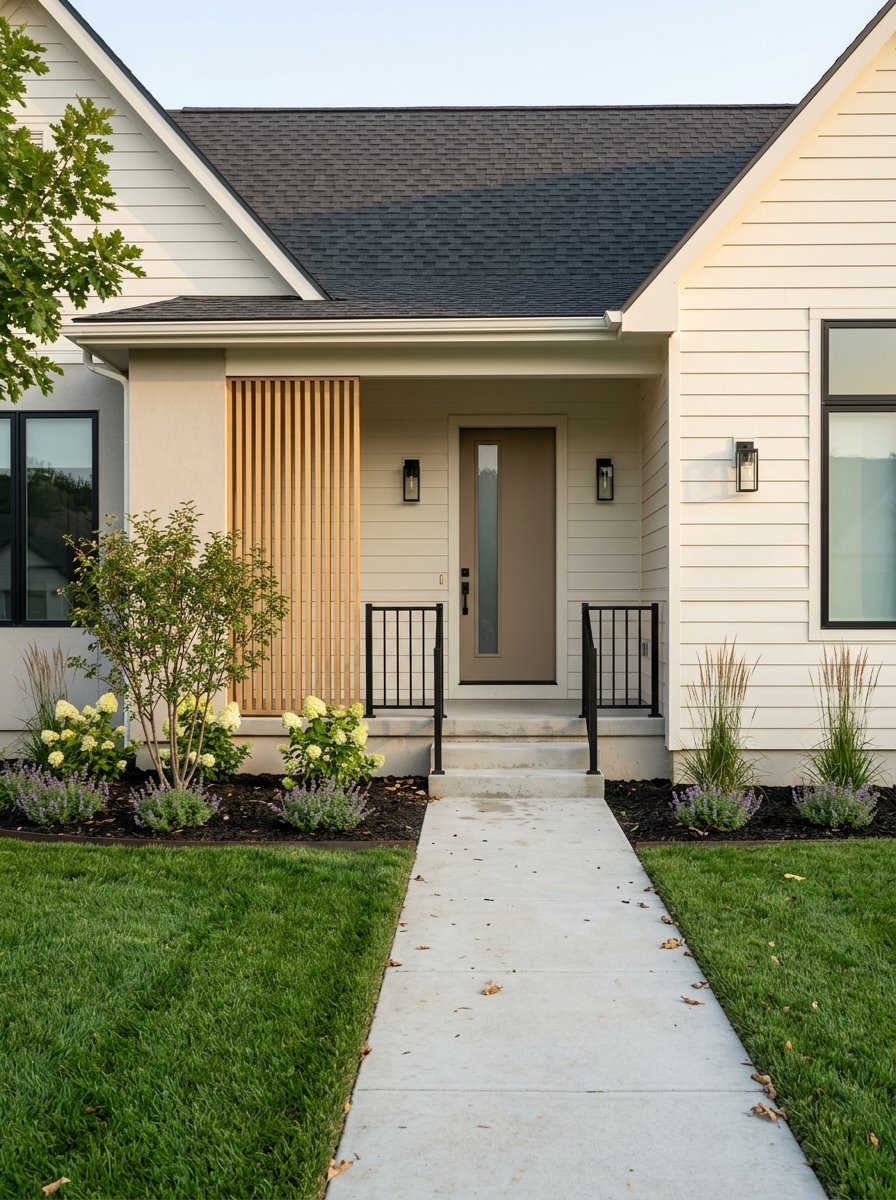
If you are thinking about moving to the northwest Twin Cities, Dayton may already be on your radar. It offers something many buyers want but do not always find in one place: a quieter, more open setting with river access and easy highway connections. If you are wondering whether that mix fits your lifestyle, budget, and day-to-day needs, this guide will help you sort it out. Let’s dive in.
What Dayton Feels Like
Dayton is a fast-growing city along the Crow and Mississippi rivers on the I-94 corridor, and it spans both Hennepin and Wright counties, according to the City of Dayton community page. Even with that growth, it remains a smaller city than nearby Champlin and Maple Grove.
The latest Census QuickFacts for Dayton estimate the 2024 population at 10,744. For context, Champlin is estimated at 23,045 and Maple Grove at 72,739. That smaller size is a big part of why Dayton often feels less built out and more open than its neighbors.
Why Dayton Stands Out
One of Dayton’s biggest defining features is where it sits in its growth cycle. The city’s 2040 Comprehensive Plan land use chapter classifies Dayton as an Emerging Suburban Edge community.
In simple terms, that means Dayton is still transitioning from a more rural setting into a more developed suburb. Existing land use still includes agriculture, rural residential areas, parks and recreation land, and open water. That helps explain why the city can feel spacious even as new development continues.
Housing in Dayton
If you are looking for a place with newer housing potential, Dayton may be worth a close look. The city’s long-range plan calls for about 1,140 additional high-density residential units and 233 net acres of mixed-use development, especially near the Dayton Parkway interchange and the I-94/County Road 81 corridor, based on the city’s land use plan.
That planned growth suggests you may find opportunities in newer neighborhoods and in areas that are still taking shape. For buyers who like modern layouts, updated infrastructure, and a community that is still evolving, Dayton can be appealing.
There is also an important pricing signal to keep in mind. Census QuickFacts estimate Dayton’s median owner-occupied home value at $511,300, compared with $358,700 in Champlin and $397,400 in Maple Grove. That is not the same as current listing prices, but it does suggest Dayton’s owner-occupied housing stock trends toward newer or higher-value homes compared with those nearby cities.
Commute and Access
For many buyers, location is not just about the home. It is also about how easy it is to get around. Dayton is best understood as a drive-based suburb with improving highway access.
The city’s transportation plan highlights I-94 access as a major growth driver and notes that the Dayton Parkway interchange opened in fall 2021. The same plan outlines future roadway work around Brockton Lane, County Road 81, and Dayton Parkway, which points to continued transportation improvements as the city grows.
Transit is more limited. According to that same transportation plan, Transit Link is currently the only transit service operating within Dayton. If you prefer frequent transit options, Dayton may not feel as convenient as a more transit-oriented area. If you mostly drive and want strong interstate access, it may be a better fit.
Outdoor Access and River Setting
Dayton has a strong outdoor identity, and that can be a major plus if you enjoy parks, trails, and water access. The city’s parks page notes that Goodin Park has a path leading directly to the Mississippi River, while Elsie Stephens Park offers river views.
The same parks page says the city is working on canoe and kayak launches at Elsie Stephens Park, Goodin Park, and the existing DNR landing in the Historic Village. That gives Dayton a different feel from many suburbs where parks are present but river access is less central to the overall experience.
Another standout feature is Elm Creek Park Reserve. According to the city, it covers about one-third of Dayton and spans 4,900 acres. That amount of protected open space helps reinforce the city’s quieter, more natural setting.
Dayton vs. Champlin vs. Maple Grove
If you are choosing between Dayton and nearby suburbs, it helps to think less about which city is "best" and more about which one matches your priorities.
Dayton for open space
Dayton is earlier in its growth cycle than its neighbors. Its planning documents emphasize new housing capacity, mixed-use land, and future roadway connections, while existing land use still includes a significant share of agriculture, rural residential parcels, and open space, according to the 2040 land use plan.
If you want a setting that feels less dense and more transitional, Dayton may stand out. This can be especially appealing if you like the idea of buying in an area that is still developing.
Champlin for a more established suburb
Champlin reads as a more established middle-ground option. The city describes itself as offering neighborhoods, natural amenities, and convenient shopping, while its parks page notes about 300 acres of city parkland plus about 800 acres of Elm Creek Park Reserve within city limits, according to Champlin city information.
With a population of 23,045, Champlin is more built out than Dayton but still much smaller than Maple Grove. If you want a suburb that already feels more settled, Champlin may feel more familiar.
Maple Grove for more amenities
Maple Grove is the largest and most amenity-rich of the three. The city says it is home to more than 2,000 businesses, sits on five major transportation arteries, and offers more than 1,000 acres of parks and trails plus 48 playgrounds, according to the City of Maple Grove.
With a population of 72,739, Maple Grove functions more like a mature northwest metro hub. If your top priority is being near a wider range of retail, dining, and services, Maple Grove may offer more of what you want right now.
Who Dayton May Fit Best
Dayton may be a strong fit if you want:
- A smaller city with a quieter feel
- More open land and a less built-out environment
- Newer construction potential or growth-area housing options
- River access and strong outdoor amenities
- Convenient I-94 access for driving around the metro
It may be especially appealing if you are relocating, buying a move-up home, or looking for a suburban setting that feels newer and less crowded than some nearby options.
Tradeoffs to Consider
No city is perfect for every buyer, and Dayton has tradeoffs worth weighing. Because it is still in transition, it offers fewer built-out retail and entertainment amenities than Maple Grove and fewer established suburban services than Champlin, based on the city planning documents summarized in the research.
That does not make Dayton a less attractive option. It simply means your experience may depend on what matters most to you. If you want everything already established, you may prefer a neighboring city. If you like the idea of space, growth, and long-term potential, Dayton may check the right boxes.
How to Decide
A good way to evaluate Dayton is to ask yourself a few practical questions:
- Do you want a suburb that feels quieter and more open?
- Are you comfortable in a city that is still developing?
- Do you prefer driving and highway access over heavy transit options?
- Would river access, parks, and open space improve your day-to-day life?
- Are you open to paying for housing that may skew newer or higher-value than some nearby areas?
If you answer yes to most of those questions, Dayton may be a very strong match.
Final Thoughts on Dayton
Dayton offers a specific kind of suburban experience. It is smaller, more open, and more tied to riverfront and parkland than many buyers expect in a growing metro suburb. At the same time, it is clearly moving forward, with planned housing, mixed-use development, and roadway improvements shaping what comes next.
If you want a polished, fully built-out suburban hub, another city may suit you better. If you want space, newer-home potential, outdoor access, and a community still growing into its future, Dayton may be exactly the right fit. If you want help comparing Dayton with other Twin Cities suburbs or finding the right home for your goals, reach out to Siham Mahamood.
FAQs
Is Dayton, Minnesota a small city compared with nearby suburbs?
- Yes. The Census estimates Dayton’s 2024 population at 10,744, which is smaller than Champlin at 23,045 and Maple Grove at 72,739.
Is Dayton, Minnesota still growing and developing?
- Yes. Dayton’s 2040 Comprehensive Plan identifies it as an Emerging Suburban Edge community and outlines additional residential and mixed-use growth, especially near Dayton Parkway and the I-94 corridor.
Is Dayton, Minnesota good for buyers who want outdoor access?
- Dayton offers strong outdoor features, including Mississippi River access at Goodin Park, river views at Elsie Stephens Park, planned canoe and kayak launches, and Elm Creek Park Reserve covering about one-third of the city.
Is Dayton, Minnesota easy to commute from?
- Dayton is set up best for drivers, with I-94 access and the Dayton Parkway interchange serving as key connections. Transit options are limited, with Transit Link currently the only transit service operating within the city.
How does Dayton, Minnesota compare with Maple Grove and Champlin?
- Dayton generally feels more open and less built out, Champlin feels more established, and Maple Grove offers the broadest range of businesses, parks, and major suburban amenities.