Buying your first home in Champlin can feel exciting and overwhelming at the same time. You want enough space, a monthly payment that makes sense, and confidence that you are making a smart move in a competitive market. This roadmap will walk you through what to expect, what to budget for, and what to watch for locally so you can move forward with clarity. Let’s dive in.
Understand the Champlin market
Champlin is still a heavily owner-occupied suburb, which helps explain why many first-time buyers focus here when they want a place to put down roots. Census QuickFacts reports an owner-occupied rate of 89.5%, and the city’s housing plan shows that detached homes made up 77.0% of housing units, with townhomes at 11.9% and apartments at 9.0%.
That mix matters because your search will likely include more than one type of property. In Champlin, many buyers compare a townhome with a smaller detached home or look at an older home with updates versus a newer build with a higher price tag.
Price-wise, current market snapshots sit mostly in the high-$300,000s to low-$400,000s. Recent reporting shows median sale or list prices around $386,700 to $404,900, with homes often selling around list price and spending roughly 23 to 27 days on market.
That means first-time buyers need to be realistic and prepared. Champlin’s own housing plan noted that homes in the $200,000 to $300,000 range were a missing housing type, so if you are hoping to buy here, it helps to enter the process with a flexible plan and a strong understanding of your budget.
Get your finances ready first
Before you tour homes, get clear on what you can comfortably afford. Your cash needed at closing is not just the down payment. Closing costs typically run about 2% to 5% of the purchase price and can include lender fees, appraisal charges, title costs, prepaid insurance, and escrow deposits.
Your monthly payment also includes more than principal and interest in many cases. You may also pay property taxes, homeowners insurance, and mortgage insurance, depending on your loan.
In Hennepin County, property taxes are based on property value, property use, and the levies of multiple taxing districts. That is one reason two homes with similar sale prices may still have different monthly ownership costs.
Why preapproval matters
A preapproval letter helps you shop with more confidence and shows sellers you are serious. In a competitive market like Champlin, that can make a real difference when you are ready to submit an offer.
At the same time, a preapproval is only a tentative commitment from a lender. It is not a guaranteed loan, so you still need to keep your finances stable and review your loan details carefully once you are under contract.
Take homebuyer education early
If all borrowers are first-time buyers and you want to explore Minnesota Housing financing, homebuyer education is part of the process. Minnesota Housing recommends taking that class early, which can save you time later and help you understand your options before you fall in love with a home.
Know the assistance programs available
For many first-time buyers in Champlin, Minnesota Housing’s Start Up program is the main state option to know. Minnesota Housing defines a first-time buyer as someone who has not had an ownership interest in a principal residence in the last three years.
The program currently lists income limits up to $152,200 in Hennepin County’s metro area for a household of three or more, purchase price limits up to $659,550 in the 11-county metro area, and down payment and closing-cost loan options of up to $18,000.
The word loan is important here. These funds are not grants, and they must be paired with a Minnesota Housing first mortgage.
Hennepin County’s countywide homebuyer assistance program is currently out of funds until summer 2026. So if you hear about county help, do not assume it is available right now without checking current status.
Search with Champlin-specific filters
A smart home search in Champlin goes beyond bedrooms, bathrooms, and list price. Because this market moves quickly, you will want to look closely at condition, layout, maintenance needs, and location-specific details that may affect your comfort and future costs.
Champlin has a mix of post-1980 housing and older homes that are now seeing reinvestment and updates. That gives you more variety, but it also means two homes in the same price range may offer very different levels of maintenance, renovation, and long-term value.
Compare property types carefully
Single-family homes and townhomes are the main for-sale categories you will likely see. A townhome may offer a lower maintenance lifestyle, while a detached home may give you more yard space, privacy, or renovation potential.
Instead of asking only, “What is the cheapest option?” ask, “Which option fits my monthly budget, upkeep comfort level, and space needs?” That is often the better first-time buyer question.
Pay attention to water and grading
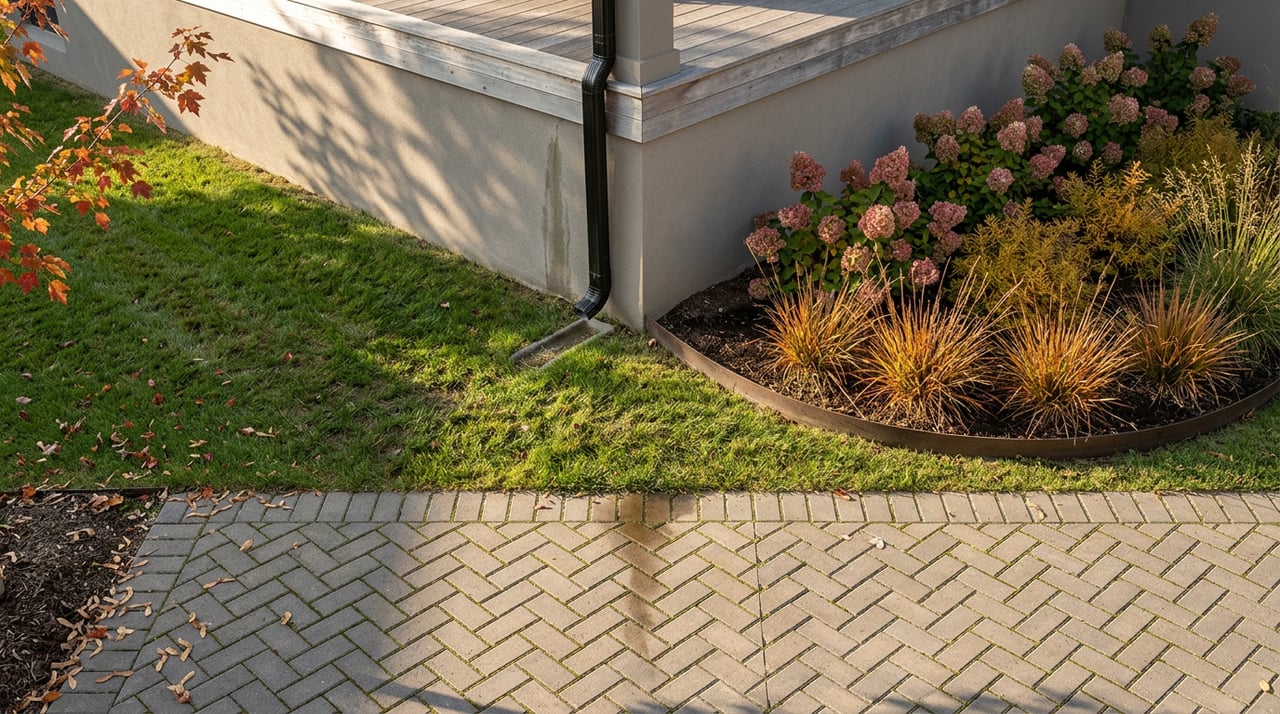
In Champlin, it is wise to notice how the yard slopes, how water drains, and whether the basement shows signs of moisture concerns. These are not small details in Minnesota. They can affect repair costs, air quality, and day-to-day peace of mind.
If a home sits near Elm Creek or another water-sensitive area, confirm the property’s current flood-map status. The city notes that some Elm Creek properties may still require added review or surveys, even after floodplain changes removed some acreage from the mapped floodplain.
Write a strong, sensible offer
When you find the right home, speed matters, but so does judgment. In a seller’s market, it can be tempting to remove protections just to compete. For most first-time buyers, that is where careful strategy matters most.
A well-structured offer should leave room for financing follow-through, appraisal review, and inspection decisions when appropriate. Since preapproval is not a final loan commitment, you want to avoid making promises your financing may not support.
If repair issues come up and a seller cannot complete the work before closing, seller credits may sometimes help bridge the gap. That can be a practical solution when both sides want to keep the transaction moving.
Inspect with Minnesota issues in mind
Once your offer is accepted, schedule an independent home inspection as soon as possible. You want an inspector who is accountable to you and who gives you a clear, honest picture of the home’s condition.
In Champlin and the broader Minnesota market, a general inspection should include the normal systems and structure, but you should also pay close attention to a few common local concerns.
Basement moisture and drainage
Basement moisture problems are common in Minnesota and are often tied to grading, gutters, downspouts, and drainage patterns. If water is moving toward the house instead of away from it, that can create both short-term and long-term issues.
Look for clues like musty smells, staining, peeling finishes, or past patchwork repairs. Even if a basement looks clean and freshly painted, it is worth asking how water is managed outside.
Radon and indoor air concerns
Minnesota health guidance says all homes in the state should be tested for radon. Hennepin County also notes that radon can enter through cracks and openings in foundations, and any home can have a radon issue whether it is old or new.
If mold is suspected, moisture control is usually the first problem to solve. Fixing the source of water is often more useful than starting with testing alone.
Ice dams and attic air leaks
Ice dams are another Minnesota-specific issue that first-time buyers should understand. State guidance explains that attic air leaks are the main cause of ice dams, which means the problem often starts with insulation and air sealing, not just roof surface conditions.
A home with winter roof issues may still be a solid purchase, but you want to know what you are taking on before closing.
Move through underwriting and closing carefully
After inspections and negotiations, your loan moves deeper into underwriting. This is the stage where your lender reviews documents, verifies information, and confirms that the home and your finances meet loan guidelines.
Try not to make major financial changes during this period. New debt, job changes, or unusual account activity can create delays or complications.
Before closing, do a final walk-through and review your paperwork line by line. If something does not match what you agreed to, pause and ask questions.
If a major loan term changes, the law may require a new Closing Disclosure and another three-business-day review period. While that can feel frustrating, it is there to protect you and give you time to understand the updated terms.
Plan for life after closing
Your first year as a homeowner comes with a learning curve. Beyond moving costs and utility setup, you will want to stay organized around tax paperwork, maintenance, and any updates the home needs.
One important step for owner-occupants in Hennepin County is applying for homestead status. The county says homestead can reduce your property taxes, so it is worth putting that on your post-closing checklist.
Support for bilingual and multicultural buyers
Champlin has a multilingual community, with Census data showing 11.0% foreign-born residents and 12.3% of households speaking a language other than English at home. For many buyers, especially first-time buyers, plain-language guidance can make the whole process less stressful.
Minnesota Housing now offers translated content in Somali, Hmong, and Spanish on major consumer pages, and it recommends clear, accessible information throughout the homebuying process. That can be especially helpful when you are comparing loan options, completing education requirements, or reviewing closing paperwork.
If you prefer Somali or another language, ask for important details in writing and bring in translation or bilingual support when needed. You deserve to understand every step clearly, from preapproval to closing day.
You also have fair housing protections. You should not be denied housing opportunities, steered, or offered worse terms because of protected characteristics such as race or national origin.
Buying your first home in Champlin is a big milestone, but it becomes much more manageable when you break it into clear steps. With the right budget, the right inspection focus, and the right support, you can make a confident move in a market that rewards preparation. If you want a local, bilingual, process-driven guide for your next step, connect with Siham Mahamood.
FAQs
What price range should first-time buyers expect in Champlin?
- Recent market snapshots place many Champlin homes in the high-$300,000s to low-$400,000s, though some neighborhoods and larger homes can fall below or rise above that range.
What should first-time buyers budget beyond the down payment in Champlin?
- You should also budget for closing costs, which typically run about 2% to 5% of the purchase price, plus monthly costs like property taxes, homeowners insurance, and possibly mortgage insurance.
What assistance programs can first-time buyers use in Champlin, MN?
- Minnesota Housing’s Start Up program is a key option, with eligible buyers able to pair a first mortgage with down payment and closing-cost loans, subject to current income and purchase price limits.
What home inspection issues matter most for Champlin homes?
- Pay close attention to basement moisture, grading and drainage, radon, attic air leaks, ice dam risks, and floodplain questions for homes near Elm Creek or riverfront areas.
What should multilingual buyers do during the Champlin homebuying process?
- Ask for key terms and next steps in writing, compare loan documents carefully, and use bilingual or translation support when needed so you fully understand the transaction.
What should buyers do after closing on a home in Hennepin County?
- If you will live in the home, apply for homestead status after closing because it may lower your property taxes.