Wondering when your Maple Grove home will sell fastest and for the strongest price? You are not alone. Timing your list date can shape your days on market, your showings, and even how your photos look online. In this guide, you will learn the best seasonal windows for Maple Grove, the key data to watch, and an easy prep timeline so you can hit the market with confidence. Let’s dive in.
Maple Grove selling seasons
Maple Grove follows a familiar Twin Cities suburban rhythm. Spring from March to June is typically the busiest selling season, with new listings and buyer activity ramping up in March and peaking from April through June. Homes often see more showings and the shortest days on market during this window.
Early summer from June to July can still deliver strong prices, though inventory may rise and some buyers take vacations. Late summer into early fall, roughly August through October, brings steady activity as families settle before the school year. Late fall through winter from November to February is slower overall, with lower inventory and fewer casual shoppers, so pricing and presentation matter even more.
Local factors that shape timing
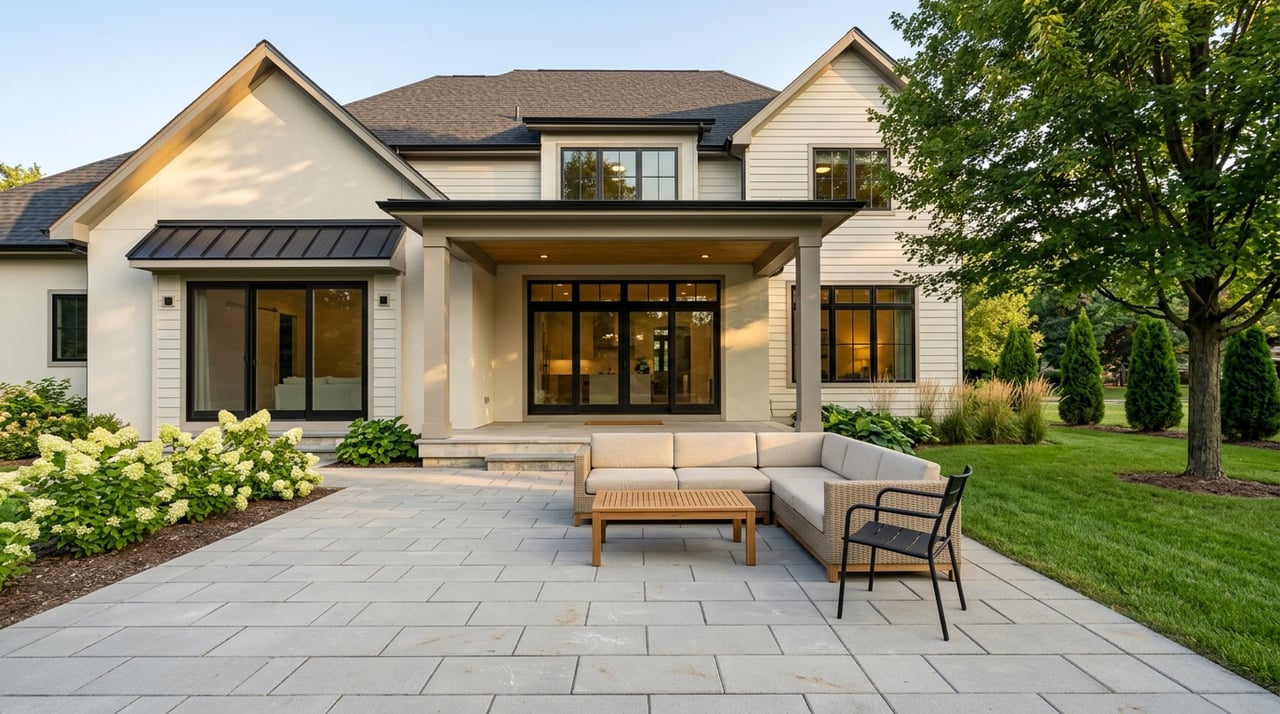
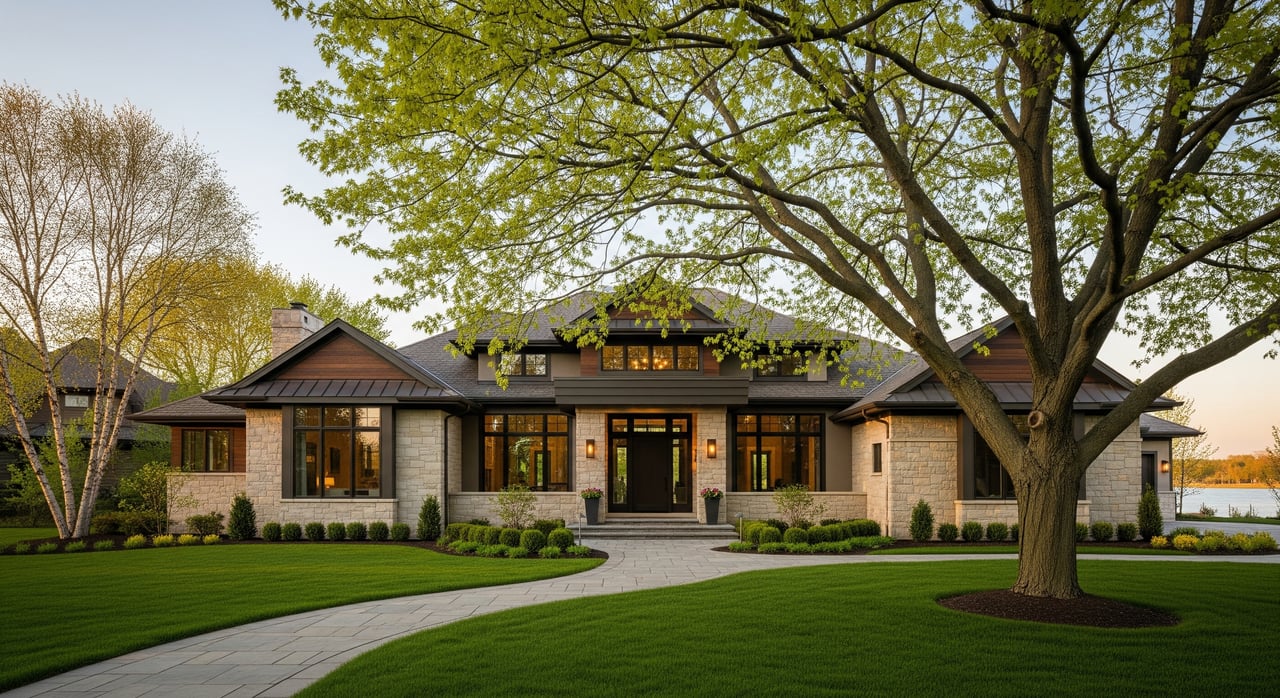
Minnesota weather concentrates curb appeal and great exterior photos in late spring and summer. Landscaping, green lawns, and outdoor spaces show best in that window. The school calendar also matters because many family buyers prefer closings in June through August.
Maple Grove’s proximity to I-94 and Highway 169 makes it attractive to commuting professionals. That buyer group is active year-round, but many start searching in spring. In peak months, check nearby new construction activity since builder inventory can increase competition in certain neighborhoods.
Maple Grove market data to check
Before you pick a go-live date, review recent monthly trends for Maple Grove and for comparable homes in your area. Focus on the past 12 to 24 months for a clear picture. Here are the core metrics to pull:
- New listings by month
- Closed sales by month
- Median sale price by month
- Median days on market by month
- Sale-to-list price ratio by month
- Months of inventory by month
- Price reductions by month and time to first reduction
- Pending ratio, or pending sales relative to new listings
How to read the numbers
- Days on market: A sharp drop in spring points to stronger buyer competition. Under 30 days is typically fast, while over 60 suggests a slower or more balanced pace.
- Sale-to-list price ratio: Near or above 100 percent signals offers at or over list price. Below about 98 to 99 percent suggests more room for negotiation or concessions.
- Months of inventory: Less than 3 months favors sellers, 3 to 6 months is balanced, and more than 6 months favors buyers. Compare to the Twin Cities trend to see if Maple Grove is tighter or looser.
- Price reductions: If many homes reduce quickly in certain months, that can indicate overpricing or mis-timed launches. If reductions cluster in winter, an early spring list may be cleaner.
- New listing surge: Listing at the early part of the spring surge can capture more buyers. Listing at the tail end can mean more competition from fresh inventory.
Spotting your best window
Look for the months where median days on market dip and sale-to-list price ratio rises. In Maple Grove, that combination often appears in April through June. If your prep needs more time, late May to early June can bridge spring momentum with early summer demand.
Timing recommendations
A thoughtful plan will help you match market momentum with a polished presentation. Use these timelines to back into your ideal go-live date.
Spring listing timeline (target early April)
- 12+ weeks before: Order inspections as needed, such as roof or HVAC, and gather bids for contractor work. Meet with your agent to review comparable sales and set a pricing strategy.
- 6 to 8 weeks before: Complete repairs, paint priority rooms, deep clean, and declutter. Start landscaping prep with pruning, mulch, and early plantings. Get quotes for professional staging if you will use it.
- 2 to 3 weeks before: Final staging and a professional clean. Schedule photography, floor plans, and a virtual tour. Assemble neighborhood and school calendar information for buyers.
- 1 week before: Begin soft pre-market exposure if allowed, and finalize showing instructions. Confirm your launch schedule and open house plan.
- Listing day: Go live early in the week, ideally Tuesday to Thursday, to maximize weekend showings.
Summer listing timeline (target June to early July)
- 12 weeks before: Start inspections and repairs, and plan for summer curb appeal and irrigation checks.
- 6 weeks before: Finish interior updates and schedule staging.
- 2 weeks before: Book photography for a sunny weekday. Ensure the lawn is green and planters are installed.
- Pro tip: Listing in late May or early June can catch both spring shoppers and early summer movers.
Fall and winter listing tips
If you need to list in fall or winter, lean into interior comfort and lighting. Stage with warm accents and brighten each room with consistent bulbs. Price more competitively and expect a longer market time compared with spring.
Staging essentials that pay off
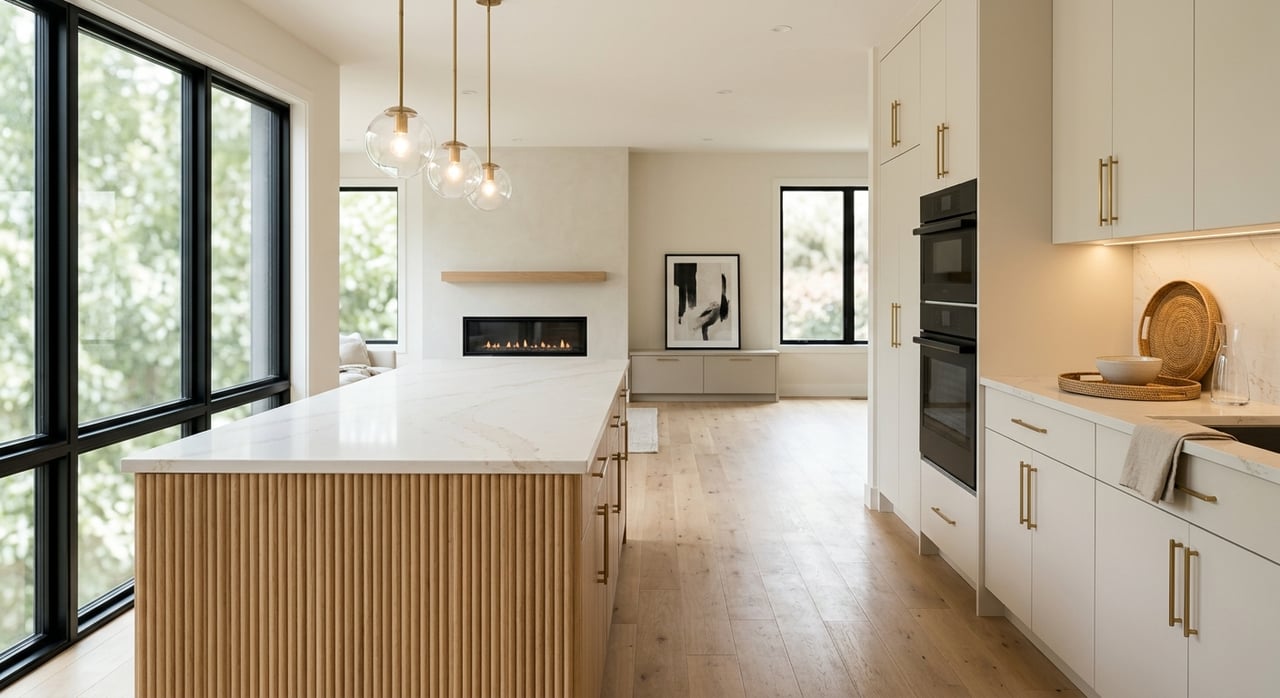
The goal is to make your home feel bright, clean, and easy to imagine living in. Focus on high-impact, cosmetic updates first.
- Declutter and depersonalize: Remove extra furniture and personal items so rooms feel larger and neutral.
- Deep clean and repair: Fix visible issues and give floors, grout, and hardware a refresh.
- Neutral paint: Fresh paint in main living spaces and the primary bedroom can make a crisp first impression.
- Light and flow: Clean windows, open curtains, and use warm, consistent bulbs to improve lighting.
- Furniture layout: Highlight room function and traffic flow. Remove oversized pieces if needed.
- Kitchen and baths: Clear counters, clean grout, and add minimal, attractive accents.
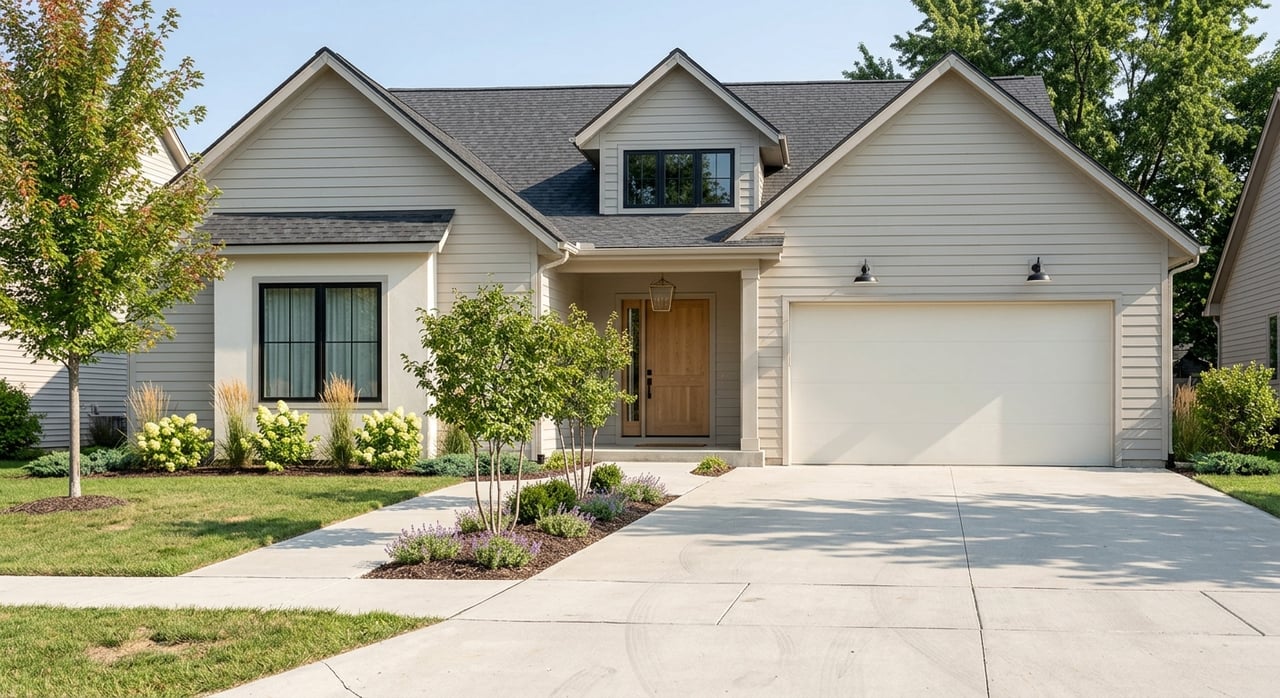
- Curb appeal: Mow, edge, and mulch. Trim shrubs, pressure wash where needed, and refresh the front door area with paint or a clean mat.
Budget-smart updates
Cosmetic prep and staging often offer strong returns. Simple staging and decluttering can range from a few hundred to a few thousand dollars depending on scope. If you are weighing larger upgrades, discuss cost versus likely market lift with your agent before starting.
Photos and marketing that sell
In Maple Grove, late spring and early summer deliver the best greenery and light for exterior photos. If you must list in winter, invest more in interior staging and choose the brightest part of the day to shoot.
- Hire a professional real estate photographer who is skilled with HDR and composition. Consider a twilight session if your exterior lighting and landscape will shine.
- Photo checklist: Wide shots of main living areas, kitchen, primary bedroom and bath, key secondary rooms, exterior front and back, and outdoor living. Include storage if it is a selling point and amenity shots such as parks or trails when appropriate.
- Timing: Book photos within 48 to 72 hours after staging to capture your home at its best. Schedule exteriors in early morning or late afternoon for softer light, and interiors mid-day for stronger natural light.
- Virtual experiences: A clear floor plan and a 3D tour can increase online engagement and help out-of-town buyers visualize the layout.
- Image count: Aim for 25 to 40 quality photos. Focus on clarity and composition, not volume.
Launch days that earn attention
Many sellers see success by going live Tuesday to Thursday. This timing builds online interest and positions your home for a strong first weekend. Plan your open house for that first weekend and keep the lawn and front entry tidy every day.
Quick checklists
Data to review before you list
- Median sale price by month for the last 12 to 24 months
- Median days on market by month
- Sale-to-list price ratio by month and the share of homes selling above list
- New listings and closed sales by month
- Months of inventory by month
- Price reduction frequency and average time to reduction
- Nearby new construction activity that competes with your segment
Seller prep timeline at a glance
- Major repairs or inspections: start 8 to 12+ weeks out
- Cosmetic fixes and paint: 4 to 6 weeks out
- Deep clean and declutter: 2 to 3 weeks out
- Staging and final touches: 1 to 2 weeks out
- Photography and tour: within 48 to 72 hours after staging
- List live: target Tuesday to Thursday in peak season
Staging and photo must-haves
- Exterior front and backyard at their best
- Main living area and kitchen as clean focal points
- Primary bedroom and bath prepared and simplified
- Additional expected rooms and functional spaces
- Storage or flex areas if they are selling points
- Neighborhood amenities if relevant and accurate
Put Maple Grove timing to work
If you want a fast, well-priced sale, combine the right season with a thoughtful plan and strong presentation. For many Maple Grove sellers, April through June offers the best mix of buyer competition and speed. If you are aiming for summer, lock in your prep early so your yard and photos look their absolute best.
You do not have to navigate this alone. With premium listing presentation, clear timelines, and culturally competent service, you can move with confidence. Ready to map your best launch date and prep plan for Maple Grove? Connect with Siham Mahamood for a custom timeline and valuation.
FAQs
Is spring always the best time to sell in Maple Grove?
- Spring is usually the busiest, with faster sales and stronger competition, but the exact advantage depends on current supply, interest rates, and any nearby new construction.
How early should I start preparing for a spring listing?
- Start 8 to 12+ weeks ahead if you need repairs or staging, and allow 2 to 6 weeks for lighter prep.
Should I wait for better weather to photograph my home in Maple Grove?
- Yes, late spring or early summer maximizes curb appeal; if you list in winter, invest in bright interior photos and elevated staging.
How does the school calendar affect my timing as a seller?
- Many family buyers aim to close between June and August so they can settle in before the new school year.
What pricing strategy works best in a competitive spring market?
- If local data shows low inventory, short days on market, and high sale-to-list ratios, a competitive price can attract multiple offers; if the market looks balanced, price conservatively and be ready to negotiate.