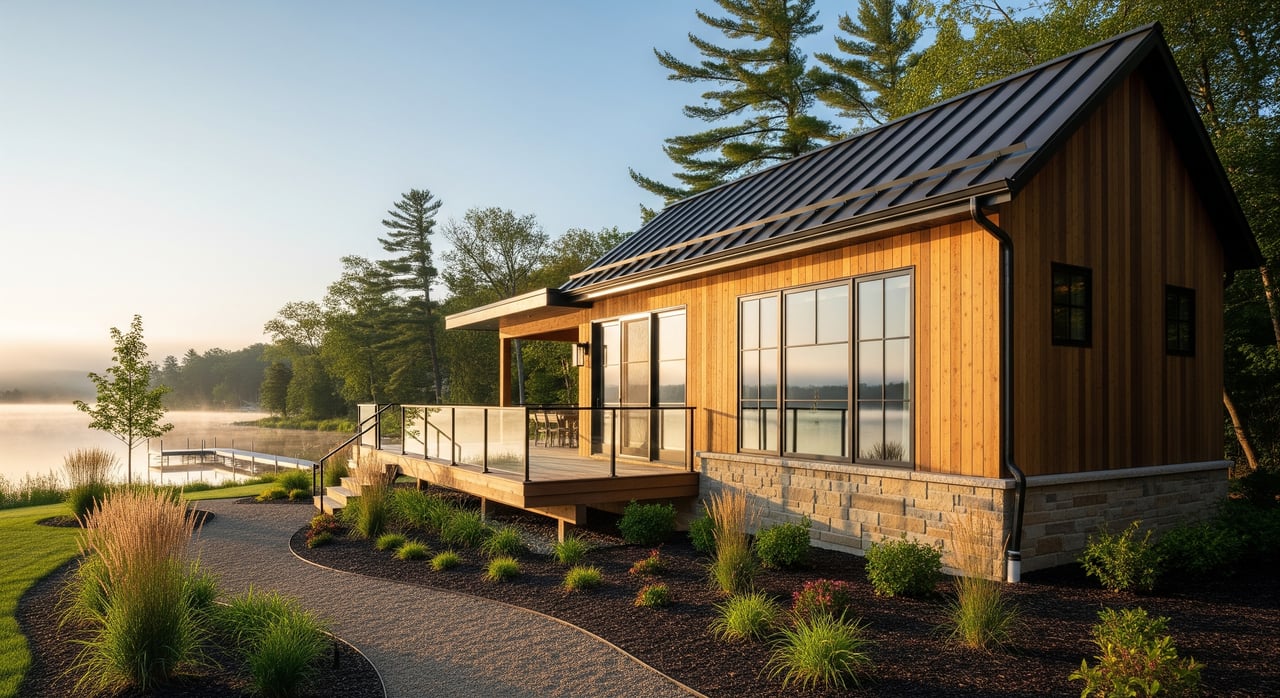
Thinking about adding a small rental or in‑law suite to your Lino Lakes home? You are not alone. Many homeowners want flexible space for family, aging parents, or steady rental income. In this guide, you will learn how accessory apartments work in Lino Lakes, what to ask the city, and a clear path from idea to move‑in. Let’s dive in.
What an accessory apartment is
An accessory apartment, often called an accessory dwelling unit or ADU, is a smaller, independent residence on the same lot as your primary home. It can be within your existing house, attached, or in a separate accessory structure, depending on local rules. Because city codes change over time, you should confirm the exact definition and location options in the Lino Lakes zoning ordinance before you plan.
Can you build one on your lot?
Zoning and where allowed
Start by checking your parcel’s zoning district on the city’s zoning map. Then review the Lino Lakes zoning ordinance sections that define “Accessory Apartment” or “Accessory Dwelling Unit.” Ask planning staff if your district allows accessory apartments by right or only with a conditional use permit. If your idea involves a detached unit or a garage conversion, confirm that these forms are permitted in your district.
Size, bedrooms, and occupancy
Cities often set limits on an accessory apartment’s size or bedroom count. As examples in many Minnesota cities, you might see a cap such as 600 to 900 square feet, a percentage of the primary home’s living area, and a maximum of one or two bedrooms. Treat these as examples only, not Lino Lakes’ rules. Confirm Lino Lakes’ exact size cap, bedroom allowances, and any occupancy limits with the planning department.
Owner‑occupancy and leasing
Some cities require the owner to live in either the main home or the accessory apartment. Others allow both units to be rented. Short‑term rental rules can also differ by city. Ask whether Lino Lakes requires owner‑occupancy, whether short‑term rentals are allowed, and if any rental registration is needed before you advertise the unit.
Parking, access, and utilities
Off‑street parking
Many cities require at least one additional off‑street parking space for an accessory apartment. Policies vary on whether tandem parking is allowed or if reductions apply near transit. Verify Lino Lakes’ parking count, driveway layout options, and any limits on new curb cuts or added pavement.
Water, sewer, gas, and electric
Cities handle utility connections in different ways. Some allow a shared water and sewer service with the main home while others require separate meters or shutoffs. Ask Lino Lakes whether separate utility meters are required, how billing works, and if capacity or connection fees apply. If you plan separate electric or gas meters, confirm whether labeling and dedicated shutoffs are required.
Septic and Anoka County rules
If your property is on a septic system rather than city sewer, you must involve Anoka County Environmental Services. In many cases, adding bedrooms triggers a septic capacity review and can require upgrades. Ask the city which office processes septic permits and how to coordinate county review during your building permit process.
Building and safety basics
What triggers permits
In Minnesota, creating a legal dwelling unit typically triggers a building permit. The work can include framing, insulation, plumbing, electrical, HVAC, and finishing a kitchen and bathroom. You will submit plans for review and schedule inspections before a final certificate of occupancy is approved.
Egress, smoke, and CO
Expect to meet Minnesota State Building Code requirements for safe egress, bedroom egress windows, ceiling height, ventilation, and smoke and carbon monoxide alarms. If you are finishing a basement, factor in the cost and design of egress windows or exterior doors, along with required fire separations between units.
Basements, garages, and detached units
Basement conversions and above‑garage apartments are common, but they often require structural checks, insulation upgrades, and safe stairs. Detached structures can involve setback, height, and lot coverage limits that differ from interior conversions. Confirm all dimensional rules and whether detached ADUs are allowed in your zoning district.
The approval path in Lino Lakes
Step 0: Preliminary research
- Check your zoning district and read the city’s definitions for accessory apartments or ADUs.
- Ask planning staff for a zoning verification letter or a brief pre‑application conversation.
Step 1: Site constraints
- Confirm setbacks, lot coverage, and impervious surface limits.
- Determine sewer vs. septic and the status of your water service.
- Sketch how parking and access will work on your lot.
Step 2: Building feasibility
- Decide if the unit will be inside the existing home, attached, or detached.
- Identify egress, insulation, and mechanical upgrades to meet code.
- If on septic, clarify bedroom counts and what triggers county review.
Step 3: Approvals and permits
- Zoning review to confirm compliance or identify the need for a conditional use permit or variance.
- Building permit with plans for architectural, structural, mechanical, electrical, and plumbing scopes.
- Septic permit coordination with Anoka County Environmental Services if applicable.
- Inspections during construction and a final certificate of occupancy before move‑in.
Step 4: After approval
- If you plan to rent, confirm whether Lino Lakes requires rental licensing or registration.
- Follow property maintenance standards and occupancy limits.
- Update your insurance and contact the county assessor about any tax classification changes.
Timeline, fees, and budgeting
Timelines vary by project size and city workload. A reasonable planning horizon includes a 1 to 2 week zoning check, several weeks to prepare plans, and 2 to 8 weeks or more for plan review. If you need a conditional use permit or variance, add 1 to 3 months. Construction schedules and inspections will add time based on scope.
Plan for fees such as zoning or CUP applications, building permit and plan review, inspections, septic permits if needed, and potential utility connection or capacity charges. Construction cost drivers include kitchen and bath installations, egress windows, HVAC changes, electrical panel upgrades, exterior stairs or entrances, and septic upgrades where required.
Renting your accessory apartment
If you plan to rent, ask the city about rental licensing or registration and whether short‑term rentals are allowed. Confirm maximum occupancy and parking rules before listing. It is also wise to talk to your insurance agent about landlord coverage and to request information from the county assessor regarding how a second unit could affect taxes.
Common pitfalls to avoid
- Assuming a basement bedroom is legal without an egress window and proper ceiling height.
- Overlooking septic capacity when adding bedrooms on a non‑sewered lot.
- Starting work without permits or a clear understanding of inspections and final occupancy.
- Forgetting to verify parking layout and limits.
- Renting the unit before receiving a certificate of occupancy or required rental registration.
A practical homeowner checklist
- Confirm zoning and whether an accessory apartment is allowed on your lot.
- Book a quick conversation with planning staff and ask the key questions below.
- Order a site and utility assessment, including sewer vs. septic and driveway capacity.
- Get initial contractor estimates and a list of required building code upgrades.
- Submit zoning and building applications and plan for inspections and a certificate of occupancy.
- Update insurance and the assessor, and complete any required rental registration.
Eight smart questions to ask the city
- What is the official definition of an accessory apartment or ADU in Lino Lakes?
- Which zoning districts allow them, and do you require owner‑occupancy?
- What are the exact size, bedroom, and occupancy limits?
- Are detached units or garage conversions allowed on my lot?
- How many off‑street parking spaces are required, and is tandem parking allowed?
- Do you require separate utility meters or specific shutoff labeling?
- If my property is on septic, what triggers Anoka County review or upgrades?
- Is a rental license or registration required, and what are your short‑term rental rules?
How this can affect resale
An accessory apartment can add flexibility and potential rental income for future buyers. That said, resale value depends on quality of work, permits, market demand, and whether the layout feels integrated with the main home. If you are weighing this investment for future sale, a brief conversation about comparable properties and buyer preferences in Anoka County can help you plan smarter.
Ready to explore your options?
If you want a clear plan for your property, reach out for a quick consult on feasibility, timelines, and resale strategy. We can help you prepare a smart to‑do list, connect you with trusted local pros, and keep the process organized from start to finish. Let’s talk about your goals and map the path that fits your family and budget with Sold By Siham.
FAQs
What is an accessory apartment in Lino Lakes?
- It is a smaller, independent dwelling on the same lot as your main home; confirm the exact definition and where it is allowed in the Lino Lakes zoning ordinance.
Are detached ADUs allowed in Lino Lakes?
- It depends on your zoning district and city standards; ask planning staff whether detached units or garage conversions are permitted on your lot.
Do I need extra parking for an ADU?
- Many cities require at least one additional off‑street space, but Lino Lakes rules can differ; confirm the number, layout, and any tandem allowances.
How does a septic system affect an ADU in Anoka County?
- Adding bedrooms can trigger septic capacity review and potential upgrades; coordinate with Anoka County Environmental Services during your permit process.
How long does permitting take for an accessory apartment?
- Plan for 2 to 8 weeks or more for plan review plus time for construction and inspections; conditional use permits or variances can add 1 to 3 months.
Are short‑term rentals allowed in an accessory apartment?
- Rules vary by city and can change; ask Lino Lakes whether short‑term rentals are permitted and whether rental licensing or registration is required.