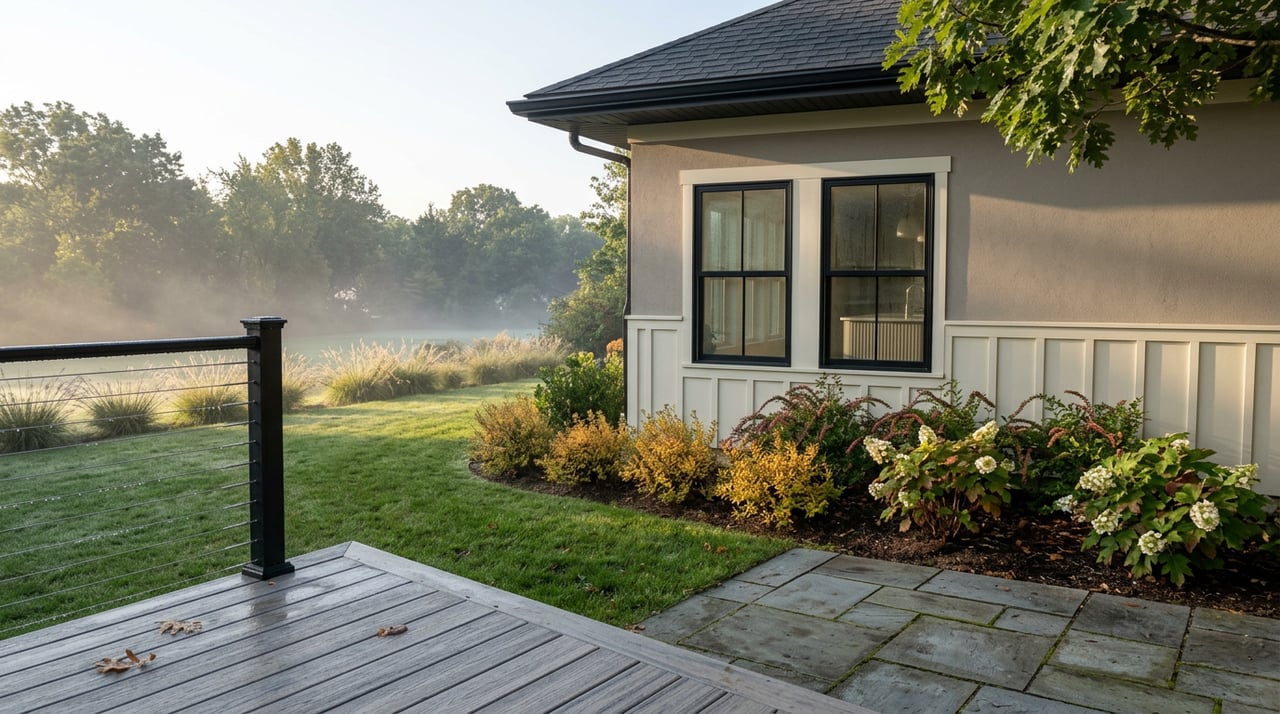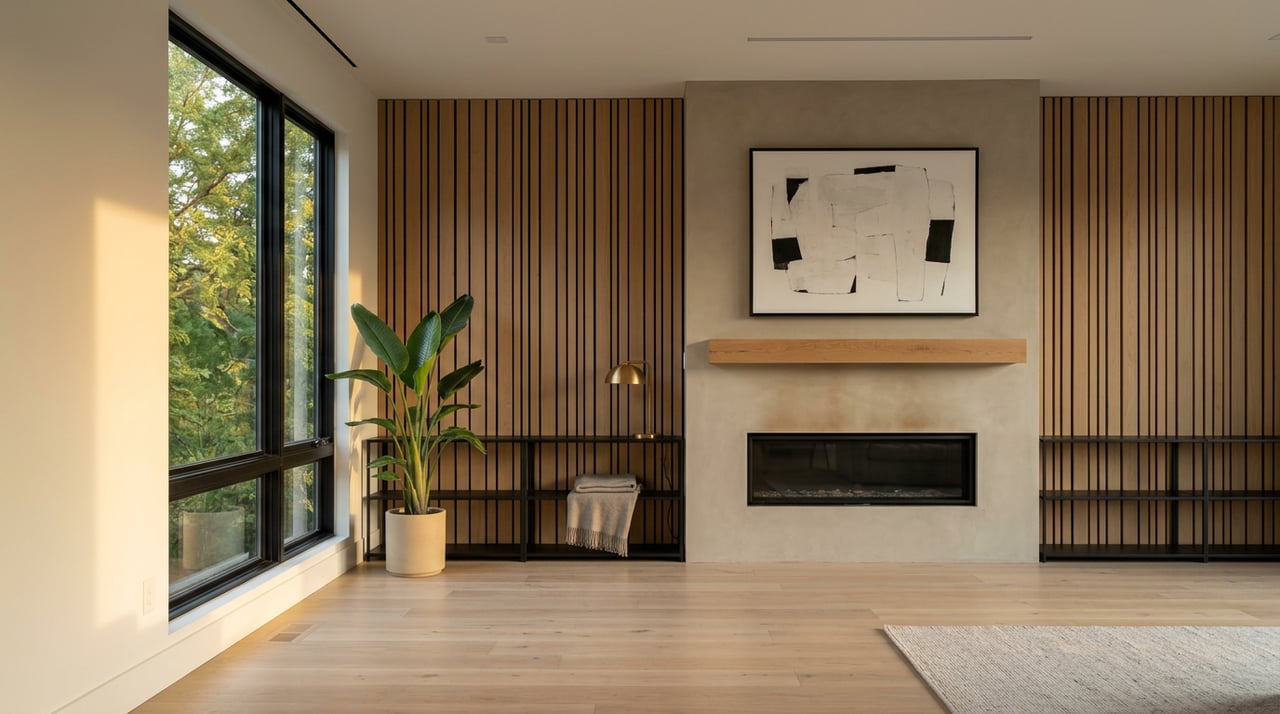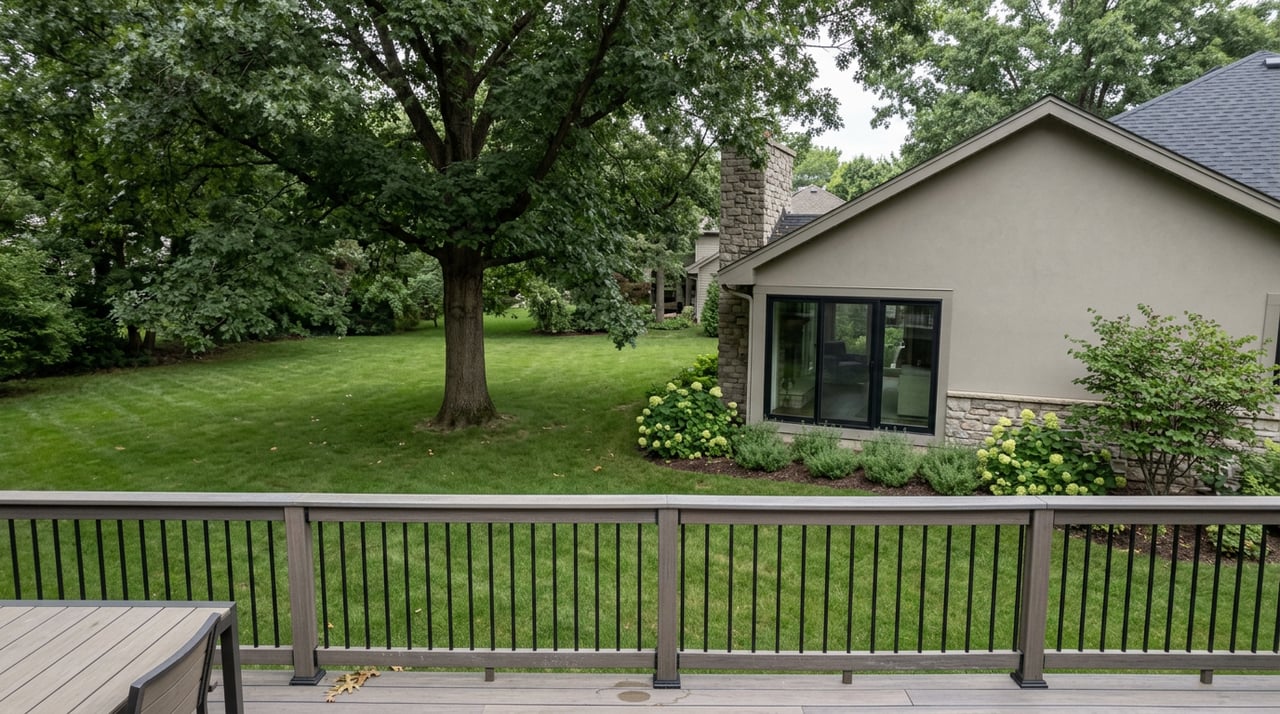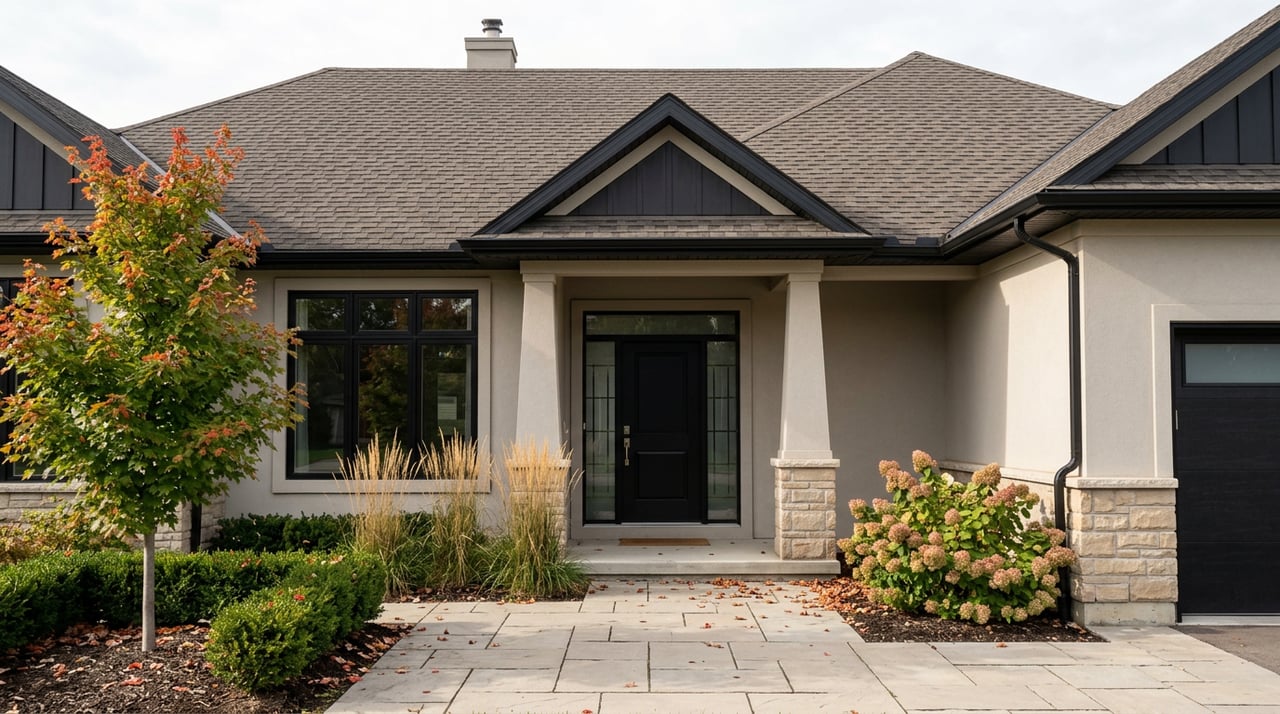
Two homes sold in Cobblestone Lake this spring, six weeks apart. One was a three-bedroom on Egret Place that closed in early March for $275,000. The other was a four-bedroom on Dunraven Drive that closed in late May for $740,000. Same neighborhood name. Same 36-acre lake. Same paved trail. A $465,000 difference in what buyers actually paid.
If you've been comparing Apple Valley neighborhoods by median price alone, this is the number that should stop you. It's not evidence that Cobblestone Lake got confused about its own value. It's evidence that "Cobblestone Lake" isn't one housing market. It's at least two, sold under a single name, and the median you see on a portal search is an average of products that have almost nothing in common except the mailing address.
One Lake, Very Different Products
Cobblestone Lake is built around a real amenity. The city's own parks department describes a 25.8-acre park wrapped by a 1.4-mile dual biking and walking trail circling the lake, along with a picnic shelter, a basketball pad, and outdoor exercise equipment. There's a community pool a short walk from most units, and the lake itself gets fished for walleye and crappie in season. None of that changes depending on what kind of home you buy there. A rowhouse owner and a detached-home owner share the same trail, the same pool access, the same lake view on a good evening.
What changes is the structure sitting on the lot. Here's a sample of what actually closed in Cobblestone Lake in spring 2026:
| Address | Sold | Price | Beds/Baths | Sqft | Type |
|---|---|---|---|---|---|
| Egret Place | March 6, 2026 | $275,000 | 3/2 | 1,824 | Townhome |
| Cobblestone Lake Parkway | May 12, 2026 | $289,900 | 2/2 | 1,576 | Townhome |
| Duck Trail Lane | April 17, 2026 | $380,000 | 4/4 | 2,196 | Single-family |
| Dynasty Way, Unit 103 | April 10, 2026 | $675,000 | 3/3 | 3,128 | Condo |
| Eagles Nest Way | May 6, 2026 | $675,000 | 4/4 | 3,323 | Single-family |
| Dunraven Drive | May 21, 2026 | $740,000 | 4/4 | 3,865 | Single-family |
Look at the pattern. The two lowest sales are townhomes under 1,900 square feet. The three highest are detached single-family homes over 3,300 square feet, plus one large condo unit that competes with them on size and finish. There's no cheap side of the lake and expensive side. There's an attached-housing tier and a detached-housing tier, and they happen to share a subdivision sign.
This matters because a single "median sale price for Cobblestone Lake" number, pulled from a portal without context, tells you almost nothing about what a specific home will cost. It tells you what got sold that quarter, which is a function of inventory mix, not location quality.
The Same Mechanism, Playing Out Across the Whole City
Once you see this pattern in one neighborhood, you start noticing it everywhere in Apple Valley, and nowhere more clearly than in the area residents and portals both call Downtown Apple Valley.
As of August 2026, homes across Apple Valley were listed at a median asking price of $374,000, spending a median of 30 days on the market before going pending. That's the number most buyers see first. But narrow the search to Downtown Apple Valley specifically, and the picture changes fast. Over the three months ending in April 2026, homes there actually closed at a median sale price of $262,000, up modestly from the year before, with homes taking about 43 days to sell.
That's a gap of well over $100,000 between the citywide figure and the Downtown submarket, and it isn't because Downtown is a lesser part of the city. It's because Downtown Apple Valley has spent close to two decades being built out as the city's transit-oriented development zone, and transit-oriented development means attached housing near stations, not detached single-family lots.
The Cedar Avenue corridor through Apple Valley carries the Metro Red Line, a bus rapid transit line running through stations at 140th Street, 147th Street, and the main Apple Valley Transit Station near 155th Street. Regional planning around this corridor has pushed for higher-density housing within walking distance of those stops for years, and the housing stock downtown reflects it: condos, townhomes, and apartment buildings clustered near the stations, rather than the detached ranches and two-stories that make up most of the rest of the city.
A low median in a specific pocket of Apple Valley usually isn't a signal about the neighborhood. It's a signal about what kind of housing that pocket was built to hold.
Compare that to a neighborhood like Redwood, on the other side of that pattern. Over the three months ending in June 2026, Redwood's median sale price was $383,000, above the citywide median, and homes there sold in an average of just 9 days, down from 17 days the year before. Redwood is dominated by detached single-family product in a part of the city that was built out before the transit corridor reshaped land use downtown. Same city, same general price range as the citywide median, completely different selling speed and completely different housing type mix than Downtown.
More Attached Housing Is Already Under Construction
If you're trying to read Apple Valley's numbers a year or two out, there's a specific project worth knowing about, because it's going to push the Downtown submarket further in the direction it's already moving.
For years, a 3.1-acre parcel at 155th Street West and Gaslight Drive sat as a former park-and-ride lot, leased to the Minnesota Valley Transit Authority since the late 1990s. In September 2025, Apple Valley's city council and Economic Development Authority approved zoning changes and site-plan authorization for a five-story, 144-unit workforce housing development on the site, now known as the Valley Station Apartments. The following month, the EDA approved the purchase agreement selling the parcel to Real Estate Equities, a St. Paul-based developer with more than fifty years building multi-family housing across the Twin Cities, for $2.125 million.
According to the city's own community development newsletter, financing closed that December and construction was underway by spring, with the project on track through 2026. The site sits directly next to two properties that were already part of that same transit-adjacent housing pattern: Orchard Place, an existing apartment community, and Chasewood, an existing townhome development, both immediately adjacent to the Gaslight parcel.
None of this is a problem for the neighborhood. It's the corridor doing exactly what two decades of transit planning intended it to do. But if you're comparing Apple Valley neighborhoods by median price a year from now, know that Downtown's number is likely to keep separating further from the citywide figure, not because the area is losing value, but because more of what sells there will be attached units by design.
What to Ask Instead of Trusting One Number
If you're shopping Apple Valley and a portal search shows you a median price for a neighborhood, that number is only useful once you know what's inside it. A few questions get you there faster than scrolling more listings:
- Is this median built mostly from detached homes, attached homes, or a mix, and which one am I actually shopping for?
- How many of the recent sales in this pocket are near a transit station, and does that match what I want in a home?
- Is the neighborhood's average days-on-market fast (like Redwood's 9 days) or slower (like Downtown's 43), and what does that say about how competitive my specific product type will be?
- If I'm comparing two neighborhoods with similar medians, are they actually similar in housing type, or is that similarity a coincidence of the numbers?
None of these questions show up automatically on a listing search. They come from knowing which addresses sold, what they were, and when, which is exactly the kind of detail that gets lost when a whole subdivision gets flattened into one median.
If you're weighing Cobblestone Lake against Downtown Apple Valley against Redwood or anywhere else in the city, I'd rather walk through the actual recent sales with you than hand you a single number and call it done. That's the difference between a market report and a market conversation, and it's the kind of homework that makes an offer land right the first time.
Ready to talk through what your budget actually buys in Apple Valley right now? Siham Mahamood is a phone call away, and the first conversation costs nothing but a few minutes.